
Understanding Miami’s real estate landscape has never been more critical for sophisticated buyers and investors. As one of the nation’s most dynamic markets, Miami continues to redefine luxury living while presenting unique opportunities across various price points and neighborhoods. Whether you’re considering a waterfront estate in Bal Harbour or exploring new development opportunities in Brickell, these insights will help you navigate the market with confidence.

1. Ultra-Luxury Segment ($10M+) Dominates Market Performance
The ultra-luxury sector has emerged as Miami’s strongest performing segment in 2025, with properties above $10 million experiencing minimal discounting and faster sales compared to other price brackets. The median price per square foot in Miami Beach’s top-tier market surged from $3,169 in 2024 to $4,136 in 2025, with some exceptional sales exceeding $7,000 per square foot.
This remarkable appreciation positions Miami among the world’s premier luxury markets, outpacing traditional strongholds like San Francisco and competing with global cities. Cash buyers dominate this segment, with 59% of transactions above $10 million completed without financing, reflecting the confidence of ultra-high-net-worth individuals in Miami’s long-term value proposition.
The Ivan and Mike Team has witnessed this trend firsthand, with their $358 million in sales demonstrating the sustained appetite for premier properties throughout Southeast Florida. Waterfront estates in neighborhoods like North Bay Road, Bay Point, and the exclusive Indian Creek Island continue commanding premium pricing due to their finite supply and unparalleled lifestyle offerings.
2. International Buyers Fuel Nearly Half of New Construction Sales
Latin American buyers have cemented their position as the driving force behind Miami’s new construction boom, accounting for 86% of international purchases in the South Florida market. Overall, foreign buyers represent 49% of new construction transactions, with Colombia, Argentina, Mexico, and Canada leading investment activity.
This international appeal stems from several factors: favorable dollar exchange rates, Miami’s status as a gateway city for Latin America, and the region’s political and economic stability compared to other markets. Between April 2024 and March 2025, Miami attracted $3.1 billion in international real estate transactions across 4,000 sales, with a median price of $498,300.
Miami ranked as the number one U.S. market for international online home shoppers in Q1 2025, capturing 8.7% of all foreign views on major real estate platforms. This sustained global interest creates a robust foundation for property values and ensures continued demand across multiple price points. Foreign buyers also demonstrate strong preference for all-cash purchases at 47%, significantly higher than the 28% average among domestic buyers.
3. Two-Tiered Condo Market Creates Distinct Opportunities
Miami’s condominium market has bifurcated into two distinct categories in 2025: modern buildings under 30 years old experiencing strong appreciation, and older properties facing affordability challenges. Resale activity in newer condominiums has rebounded significantly, with well-maintained buildings commanding premium pricing and faster sales cycles.
Buildings offering turnkey, architecturally unique units with contemporary amenities continue achieving record prices. Coral Gables and Coconut Grove luxury condos demonstrated exceptional year-over-year sales volume growth in the first half of 2025, outpacing other markets including Miami Beach and Greater Downtown Miami.
However, older condominiums—particularly those over 30 years—face headwinds from stricter FHA lending requirements and building recertification regulations. Properties requiring significant capital improvements or special assessments often experience extended days on market. Miami-Dade’s 30-year condo units maintained a median price of $294,000 in July 2025, showing minimal change from the previous year, indicating price stability but limited appreciation potential.
For discerning buyers, this creates opportunities to acquire properties in established neighborhoods at favorable pricing, particularly when willing to undertake renovations or target newer construction with modern systems and amenities.
4. Single-Family Home Demand Remains Resilient in Prime Neighborhoods
Demand for single-family homes in Miami’s most coveted neighborhoods—including Coral Gables, Coconut Grove, and Pinecrest—remains steady, driven by families seeking top-rated schools, privacy, and lifestyle amenities. These areas continue demonstrating price resilience despite broader market fluctuations, with waterfront and golf course properties commanding significant premiums.
The market for single-family homes priced between $1 million and $5 million sees 53.5% cash transactions, indicating strong buyer liquidity and reduced sensitivity to mortgage rate fluctuations. After experiencing a slowdown in early 2025, industry forecasts project a 5.6% increase in single-family home sales in 2026, with prices expected to grow approximately 4%.
Inventory levels for quality single-family homes in premier locations remain tight, creating competitive situations for well-presented properties. Buyers increasingly prioritize turnkey homes with high-end finishes, smart home technology, and outdoor living spaces that maximize South Florida’s year-round climate. The trend toward larger residences with dedicated home offices and wellness spaces continues reflecting post-pandemic lifestyle changes.
Properties offering unique features—whether architectural distinction, significant land, or irreplaceable locations—consistently achieve premium pricing and attract multiple offers. This underscores the importance of working with knowledgeable professionals who understand micro-market dynamics and can identify true value in competitive situations.

5. Neighborhood-Specific Performance Varies Dramatically
Market performance across Miami’s luxury neighborhoods reveals significant variations, making location selection increasingly critical for buyers and investors. Bal Harbour maintains its position as a luxury stronghold, supported by Miami’s growth in millionaire residents and a thriving technology and finance sector. The neighborhood offers long-term value stability in a secure, established luxury market.
Coral Gables continues its strong trajectory with healthy condo sales volume growth and consistent appreciation, though individual properties may experience extended marketing times due to buyer selectivity in the current environment. The area’s historic charm, tree-lined streets, and proximity to top schools make it perennially attractive to families and established professionals.
Sunny Isles Beach presents a contrasting picture, with median home prices declining 3.3% year-over-year to $870,000 in September 2025. Properties in this market are taking longer to sell, averaging 170 days compared to 139 days the previous year. However, nearby Bay Harbor Islands is experiencing a new construction boom, attracting families with A-rated schools and an exclusive island lifestyle.
The Brickell financial district continues evolving as a hub for luxury condominiums and mixed-use development, appealing to professionals and international buyers seeking urban convenience. Edgewater and Wynwood offer more accessible entry points for international buyers while providing proximity to downtown amenities and cultural attractions.
Understanding these neighborhood-specific trends enables buyers to identify optimal value and growth potential aligned with their lifestyle preferences and investment objectives.
6. New Development Pipeline Redefines Luxury Living Standards
Miami’s luxury new development pipeline showcases an extraordinary array of projects setting new benchmarks for amenities, design, and lifestyle integration. The Residences at Mandarin Oriental on Brickell Key exemplifies this evolution, featuring a 66-story tower with private condominiums offering panoramic water views and prices ranging from $4.9 million to $100 million.
ORA By Casa Tua in Downtown Miami represents the convergence of hospitality and residential living, with a 77-story tower containing 533 fully furnished residences. The development includes multiple restaurants, a two-floor wellness center, and a three-floor sky garden, creating a resort-style living experience in an urban setting.
JEM Private Residences places luxury condos starting on the 43rd floor, ensuring unobstructed views and exclusive access to amenities designed by the renowned Rockwell Group. Origin Residences in Bay Harbor Islands offers a more intimate boutique experience with just 27 waterfront residences featuring custom Artefacto furnishings, private marina access, and a rooftop pool.
These developments reflect buyer preferences for turnkey solutions, hotel-caliber amenities, and architecturally significant buildings that make design statements. Many incorporate smart home technology, wellness-focused amenities, and flexible spaces accommodating remote work and entertainment. The Ivan and Mike Team specializes in navigating these new development opportunities, leveraging their position as the leading new development team in Miami to secure optimal pricing and unit selection for clients.
7. Cash Dominance Reshapes Transaction Dynamics
The prevalence of all-cash transactions continues defining Miami’s luxury market, with cash sales accounting for 53.5% of properties priced between $1 million and $5 million. This trend intensifies at higher price points, reaching 59% for properties above $10 million. This cash dominance provides several advantages: faster closings, stronger negotiating positions, and reduced financing contingencies.
For sellers, cash buyers represent the most reliable path to closing, often justifying modest price concessions in exchange for certainty and speed. For buyers utilizing cash, the ability to act quickly on desirable properties becomes a significant competitive advantage in multiple-offer situations.
This market dynamic particularly benefits international buyers from Latin America and other regions, where all-cash purchases represent standard practice. It also reflects the wealth concentration in Miami, where ultra-high-net-worth individuals maintain significant liquid assets and view real estate as a stable store of value.
However, the cash-heavy market also creates challenges for buyers requiring financing, as they compete against cash offers on desirable properties. Working with experienced professionals who can structure compelling offers and demonstrate financial strength becomes essential for financed buyers in competitive situations.

8. Mortgage Rates Stabilize Around 6% with Mixed Impact
Mortgage rates have stabilized around the 6% threshold in 2025, representing a significant increase from the historically low rates of previous years but showing signs of gradual moderation. While these elevated rates initially constrained buyer activity, the market has adapted as buyers adjusted expectations and sellers moderated pricing.
The impact of mortgage rates varies dramatically across price segments. Ultra-luxury buyers, who predominantly purchase with cash, remain largely insulated from rate fluctuations. However, buyers in the $1 million to $3 million range demonstrate increased price sensitivity, with reduced premiums for aesthetic enhancements compared to previous market cycles.
Industry forecasts suggest rates will remain in the 5.5% to 6.5% range throughout 2025 and into 2026, providing a degree of stability that allows buyers to plan with confidence. As rates decline from recent peaks, pent-up demand may accelerate, particularly among buyers who delayed purchases waiting for more favorable financing conditions.
Sophisticated buyers are increasingly exploring creative financing strategies, including adjustable-rate mortgages, portfolio loans, and bridge financing for transitional situations. These alternatives can provide advantages in specific circumstances, underscoring the value of comprehensive financial planning when approaching luxury real estate transactions.
9. Inventory Increases Signal Market Rebalancing
After years of extreme inventory shortages, Miami’s luxury market is experiencing inventory growth across several segments, creating more balanced conditions between buyers and sellers. The $1 million to $3 million tier saw inventory increase 28.1% in Q2 2025, extending months of supply from 15.3 to 19.6 months. The ultra-luxury segment above $10 million also experienced rising inventory, though well-maintained properties in prime locations continue selling efficiently.
This inventory expansion provides buyers with increased selection and negotiating leverage, particularly for properties requiring updating or those with extended marketing times. Days on market have increased across many segments, with luxury condos averaging 94 days in Q2 2025 compared to 79 days the previous year.
However, inventory dynamics vary significantly by neighborhood and property type. Premium waterfront properties, modern condominiums in desirable buildings, and single-family homes in top school districts maintain shorter marketing times and competitive bidding situations. The $3 million to $6 million and $6 million to $10 million ranges show healthier inventory levels with selective but consistent demand.
For sellers, this environment requires strategic pricing, impeccable presentation, and sophisticated marketing to stand out in a more competitive landscape. For buyers, increased inventory creates opportunities to be selective and negotiate favorable terms, though the best properties still command premium pricing and move quickly.
10. Miami Ranks as Second-Best U.S. Housing Market for 2025
Miami’s metropolitan area secured the number two ranking among top U.S. housing markets for 2025, reflecting the region’s robust economic fundamentals, demographic growth, and sustained demand across multiple price points. This recognition acknowledges Miami’s evolution from a seasonal market to a year-round economic powerhouse attracting businesses, talent, and investment capital.
The ranking reflects several positive indicators: consistent price appreciation, strong sales volumes despite economic headwinds, growing employment in technology and finance sectors, and continued population migration from higher-tax states. Miami’s luxury market specifically benefits from wealth concentration, with the city ranking among the top five globally for millionaire growth in 2025.
Sales volumes for luxury and ultra-luxury sectors remain strong, with the first half of 2025 seeing 177% growth in the entry point for the top 10% of single-family homes compared to a decade ago. This long-term appreciation trajectory demonstrates Miami’s emergence as a world-class luxury market competing with established destinations like New York, Los Angeles, and international cities.
The market’s resilience through various economic cycles, combined with Florida’s favorable tax environment and lifestyle advantages, creates a compelling case for long-term investment. As the Ivan and Mike Team consistently observes, Miami’s fundamentals continue attracting sophisticated buyers viewing the market as both a lifestyle choice and a strategic asset allocation.
11. Price Per Square Foot Reaches Record Levels in Premium Buildings
The price per square foot metric has reached unprecedented levels in Miami’s most desirable buildings and neighborhoods, with select transactions exceeding $7,000 per square foot in 2025. This represents a remarkable evolution from just years ago when $2,000 per square foot represented top-tier pricing.
Buildings with exceptional amenities, architectural pedigree, and premium locations command significant premiums over comparable properties. Factors driving these record prices include turnkey presentation with designer finishes, unobstructed water views, floor-through layouts maximizing natural light, and access to resort-style amenities including state-of-the-art fitness centers, spas, and private dining facilities.
However, the market shows increasing differentiation, with premium pricing concentrated in the very best properties while secondary buildings experience more moderate appreciation. This creates a dual market where quality and location drive significant value premiums, while properties requiring updating or lacking distinctive features face extended marketing times.
For buyers, understanding price per square foot benchmarks within specific buildings and neighborhoods provides essential context for evaluating fair market value. For sellers, maximizing price per square foot requires strategic presentation, highlighting unique features, and positioning properties to attract the most qualified buyers willing to pay premiums for exceptional quality.
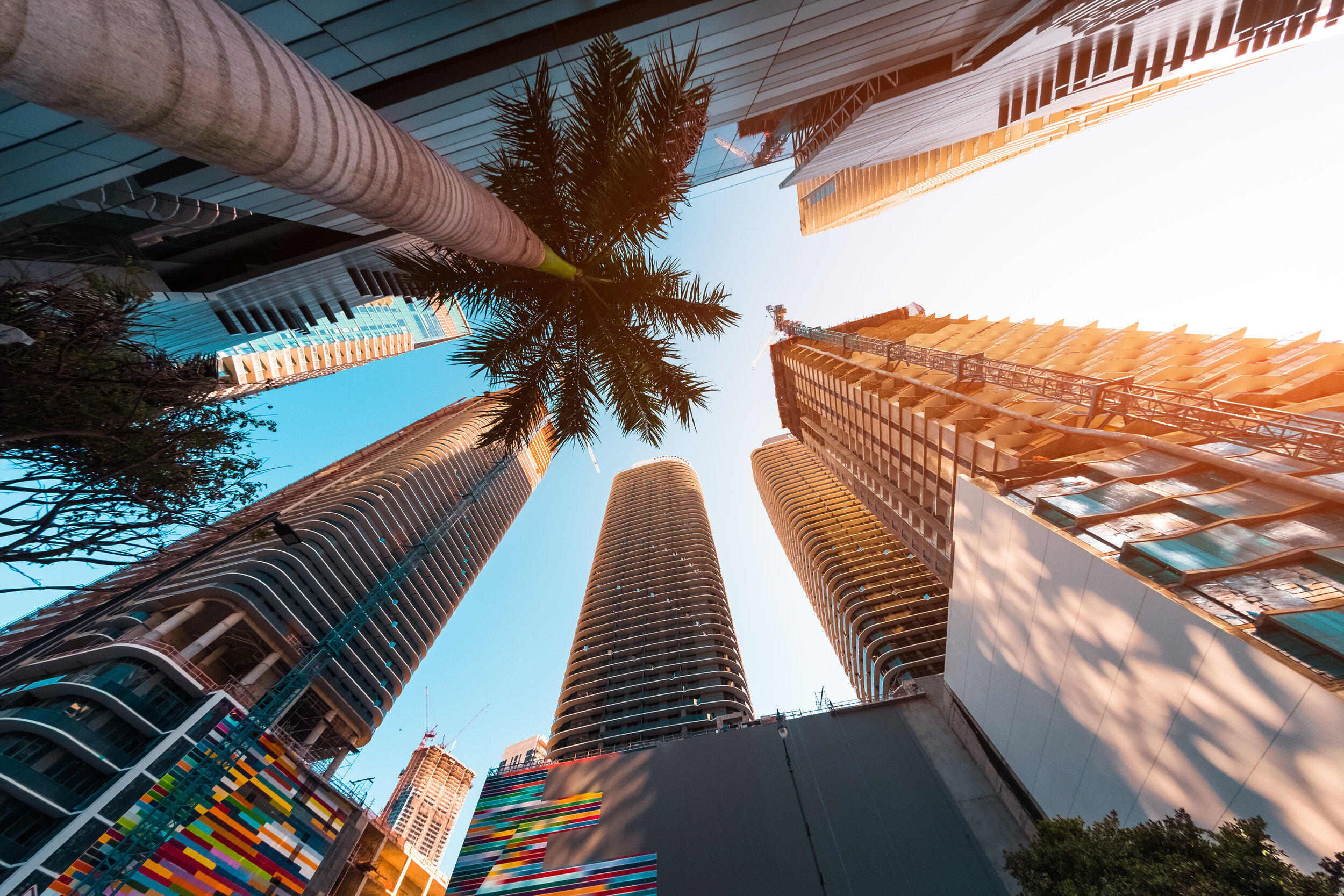
12. Technology and Sustainability Drive New Development Standards
The latest generation of Miami luxury developments incorporates cutting-edge technology and sustainability features as standard amenities rather than premium upgrades. Smart home systems controlling lighting, climate, security, and entertainment are now baseline expectations, with advanced buildings offering integrated systems managing all aspects of residential life.
Sustainability initiatives include LEED certification targets, energy-efficient systems, water conservation technologies, and resilient design addressing climate considerations. Impact-resistant glass, elevated construction standards, and advanced storm protection systems provide peace of mind while potentially reducing insurance costs—an increasingly important consideration in South Florida.
Electric vehicle charging infrastructure, advanced air filtration systems, and wellness-focused amenities reflect evolving buyer priorities, particularly among younger ultra-high-net-worth individuals. Buildings incorporating biophilic design elements, outdoor spaces, and connections to nature command premiums as buyers prioritize health and well-being alongside traditional luxury features.
These technological and sustainability advancements represent not just lifestyle enhancements but long-term value protection. Properties incorporating these features maintain competitive advantages in resale situations and appeal to the next generation of luxury buyers expecting seamless integration of technology and environmental consciousness.
As Miami’s real estate market continues evolving, partnering with professionals who understand these complex dynamics becomes increasingly valuable. The Ivan and Mike Team’s comprehensive market knowledge, extensive network, and track record of successful transactions position them to guide clients through opportunities and challenges alike. Whether you’re seeking a trophy estate, exploring new development investments, or strategically positioning existing holdings, understanding these twelve essential trends provides the foundation for informed decision-making in Miami’s dynamic luxury real estate landscape.