
Miami World Cup 2026
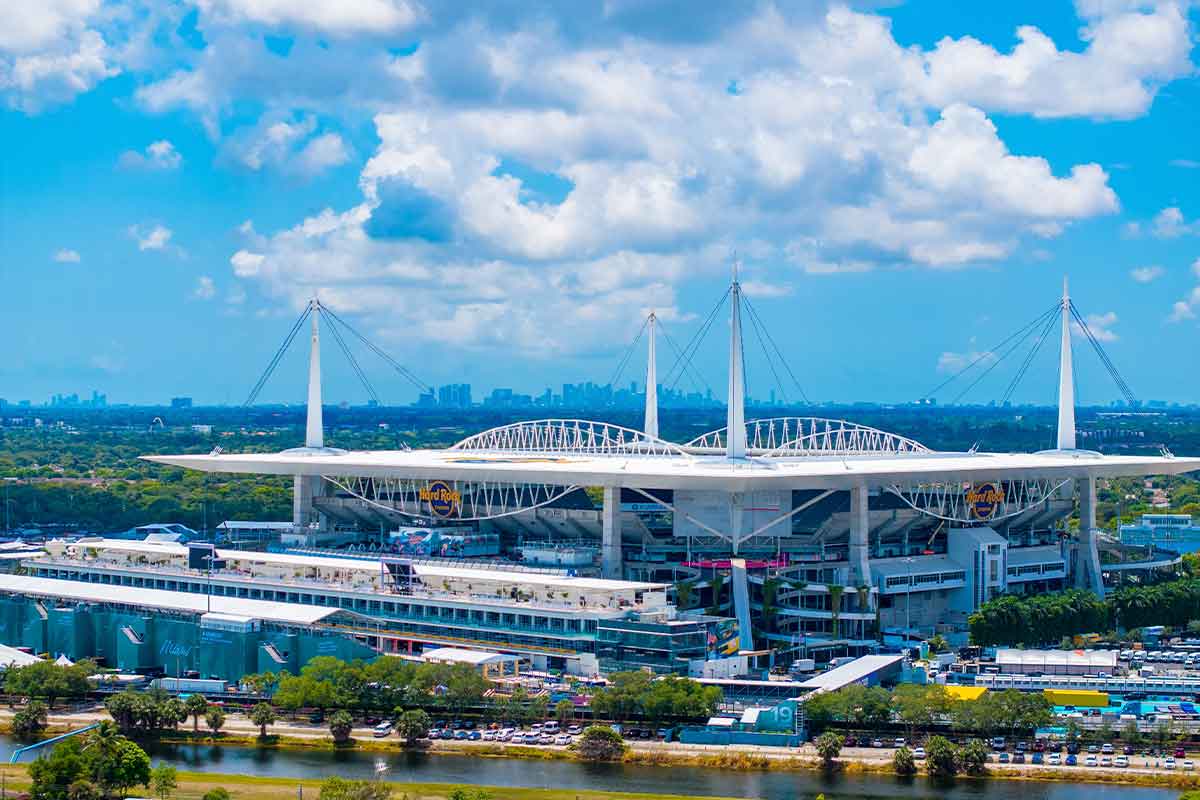
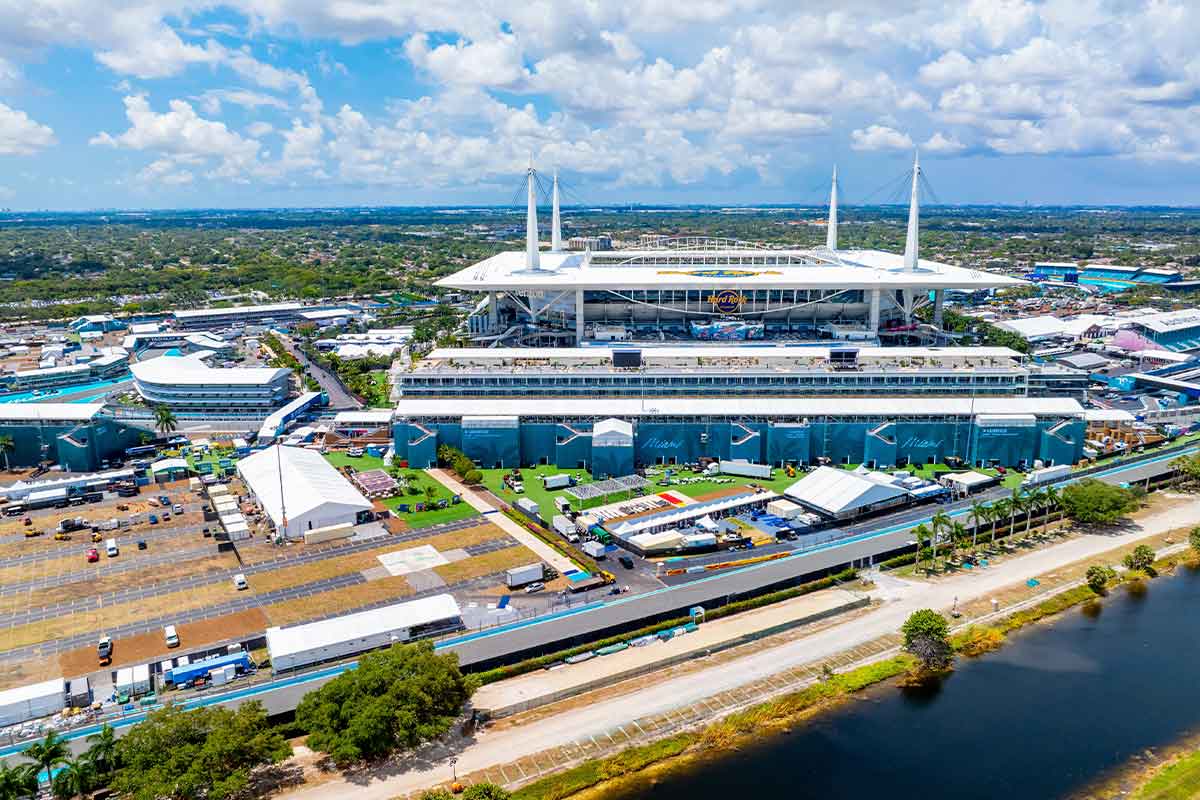
The Miami World Cup 2026 is not just a sporting event. It is a generational moment that will accelerate the transformation of one of the most dynamic cities in the world. Seven FIFA World Cup matches are scheduled at Hard Rock Stadium between June 15 and July 18, 2026, and the economic, infrastructural, and real estate ripple effects are already reshaping South Florida in ways that will last long after the final whistle.
Analysts project that up to one million visitors will travel to South Florida during the tournament, generating an estimated $1.5 billion in economic impact for Miami-Dade County alone. That figure is more than double the impact of Super Bowl LIV in 2020. And while economists remind us to weigh projections carefully, what is undeniable is the investment wave the event has already triggered: billions of dollars are flowing into transportation, airports, hospitality, and urban development right now.
International buyers, developers, and high-net-worth investors have been watching Miami closely for months. Many are already moving. For anyone with a stake in Miami real estate, understanding what the FIFA World Cup Miami means for the city is not optional. It is essential.
Looking for luxury properties, new developments, or investment opportunities before the global spotlight arrives? Reach out to Ivan & Mike for personalized guidance on Miami’s fastest-moving market segments.
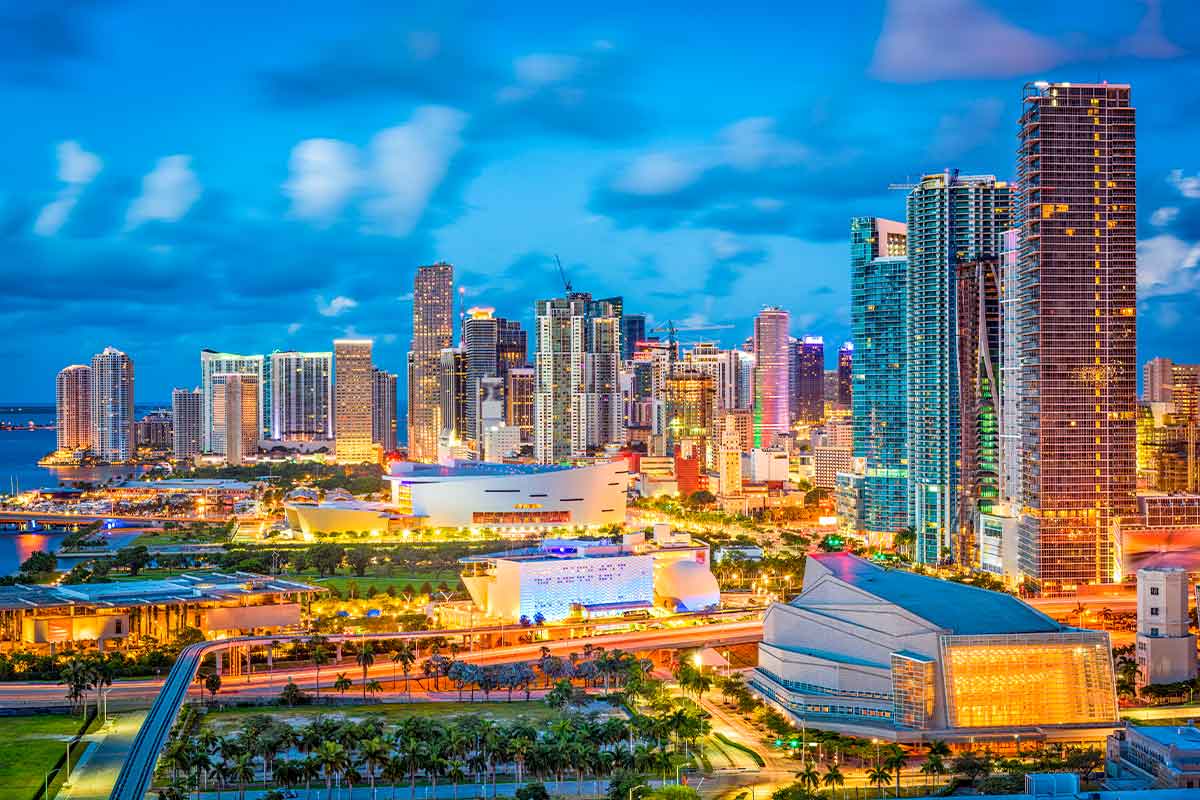
Why FIFA World Cup 2026 Could Be One of Miami’s Biggest Moments Ever
The 2026 FIFA World Cup is the largest in the tournament’s history: 48 teams, 104 matches, 16 host cities across the United States, Canada, and Mexico, played over 39 days from June 11 to July 19, 2026. Miami secured seven of those matches, including a quarterfinal and the third-place bronze final. That level of commitment puts Miami among the most prominent venues in the entire tournament.
Miami is projected to contribute to an overall $3 billion in economic impact from its 2026 sports calendar, with the World Cup matches cited as the single biggest driver. The Greater Miami Convention & Visitors Bureau estimates roughly one million fans will travel to South Florida, generating approximately $1.3 billion in regional impact stretching from Miami-Dade to Broward, Palm Beach, and the Florida Keys. Airbnb alone projects its South Florida hosts will earn contributions toward $384 million in GDP from World Cup travel through its platform.
Beyond ticket sales and hotel nights, the global media exposure may be the most valuable asset of all. Hundreds of millions of soccer fans worldwide will see Miami’s skyline, waterfront, and lifestyle on their screens for weeks. Tourism officials note the branding impact of that kind of sustained international attention is, as one local leader put it, “incalculable.” For Miami’s luxury real estate market, which already attracts buyers from over 70 countries, that spotlight only deepens global awareness.
Major Infrastructure Changes Coming to Miami
Miami is not waiting for the opening match to make its move. The transformation is already underway, and the numbers behind it are significant.
Local governments across Miami-Dade approved a $46 million infrastructure package specifically for World Cup readiness, covering transportation upgrades, security technology, airport improvements, multilingual visitor services, and pedestrian-friendly enhancements in Downtown Miami, Wynwood, and Miami Beach. That is a starting point, not a ceiling.
Airport Overhaul
Miami International Airport is in the middle of a $14 billion capital improvements program, one of the most ambitious airport upgrade projects in the country. Key milestones include a $1 billion renovation of Concourse D in partnership with American Airlines, adding 17 new gates capable of accommodating wide-body aircraft. CLEAR biometric eGates launched at MIA’s two busiest screening checkpoints in late 2025, cutting identity verification to under five seconds. Airport leadership estimates the World Cup impact on Miami will bring an additional 800,000 passengers through MIA. These upgrades are permanent, not temporary patches.
Transportation and Brightline
Miami-Dade County officially announced four transportation hubs for its free Miami Game Day Express shuttle service, connecting fans from across South Florida directly to Hard Rock Stadium on match days. Those hubs include the Aventura Brightline Station, Golden Glades Multimodal Transit Station, Dr. Martin Luther King Jr. Plaza Metrorail Station, and Seminole Hard Rock Hotel and Casino.
Brightline, Florida’s high-speed rail network, connects Miami, Aventura, Fort Lauderdale, Boca Raton, West Palm Beach, and Orlando, making it possible for fans based throughout the state to reach matches without a car. The rail network’s growing reach is accelerating real estate demand along its entire corridor, particularly in Aventura and Fort Lauderdale, which now function as extended Miami neighborhoods for buyers seeking lower price points with easy city access.
Road improvements, expanded bus routes, pedestrian zones, and new wayfinding systems for downtown areas are also part of the $46 million public investment. As history shows in cities like Atlanta, these Miami infrastructure changes are designed to outlast the tournament itself.
Want insider access to Miami’s evolving real estate landscape before the FIFA World Cup changes the market? Contact Ivan & Mike today for off-market opportunities and expert guidance tailored to your goals.
How Miami Neighborhoods Could Change During and After the World Cup
The FIFA Fan Festival at Bayfront Park will transform Downtown Miami into a global gathering place for 23 consecutive days, from June 13 to July 5. Up to 30,000 fans per day are expected at the waterfront festival, which will feature 88 live match broadcasts, three entertainment stages with over 1,000 performers, local food and culture, and more than 690 hours of programming. Biscayne Boulevard, Bayfront Park, and the surrounding blocks will become the heartbeat of Miami’s World Cup experience.
Here is how specific Miami neighborhoods World Cup activity will benefit:
- Brickell and Downtown Miami: The Financial District and its surrounding urban core are positioned at the center of the action. Brickell continues to attract ultra-luxury condo development, with major projects delivering in 2026 and 2027. The World Cup spotlight on downtown only reinforces demand from international buyers who already favor this corridor. Explore current new construction in Brickell.
- Edgewater: One of South Florida’s fastest-growing neighborhoods, Edgewater sits bayfront between Downtown and the Design District. Developers from Brickell to Edgewater are placing large bets on the urban core’s future, and Edgewater’s walkability, waterfront profile, and proximity to Fan Festival activity make it a compelling investment target before and after the tournament.
- Wynwood and Midtown: These creative districts offer a lifestyle combination that resonates strongly with the international buyers and younger high-net-worth demographic the World Cup attracts. Together with Edgewater, they offer some of the strongest appreciation potential in the new construction market.
- Miami Beach: Miami Beach has committed up to $1.75 million in cash and city services for the tournament, and Lummus Park will host a major watch party on June 11. Ocean Drive, Collins Avenue, and Lincoln Road will see elevated foot traffic and global media coverage throughout the event.
- Coconut Grove and Coral Gables: These established luxury enclaves attract second-home buyers and families seeking a quieter, upscale Miami experience. Their proximity to the city’s best schools, waterfront parks, and dining makes them consistent targets for international buyers who discover the city during World Cup coverage.
- Bay Harbor Islands: This barrier island community between Miami Beach and Aventura continues to draw significant development interest from buyers seeking boutique luxury living in a walkable, low-density setting.
Explore Miami’s best luxury neighborhoods and discover which areas align with your lifestyle and investment goals.
Miami Real Estate and the World Cup Effect
The relationship between major global sporting events and real estate appreciation is well documented. During the 2014 World Cup cycle in Brazil, host cities experienced an average property value increase of 11% in the year leading up to the event. Qatar saw a 13% surge in property values during the preparation phase for the 2022 World Cup. Barcelona’s real estate market continued to appreciate at above-market rates for nearly five years after the 1992 Olympics, driven by sustained infrastructure improvements and international visibility.
The investment cycle around these events tends to follow a recognizable pattern: early movers benefit from infrastructure announcements and lower pricing, mid-cycle buyers face rising prices and compressed returns, and late entrants often encounter peak pricing with limited upside. Investors who position themselves during the 18-to-36-month window before a major event typically capture the strongest returns.
Miami real estate World Cup dynamics are unique. The city already holds the title of the number one U.S. market for international homebuyers, with foreign buyers accounting for approximately 15% of total residential dollar volume. In 2025, international buyers spent $4.4 billion on South Florida residential real estate, a 42% increase from the previous year, and they now represent over 52% of new construction and pre-construction condo sales in the region. The World Cup is not creating international demand for Miami. It is amplifying demand that already exists.
Read our full Miami Market Report to understand current pricing trends and new development activity across South Florida.
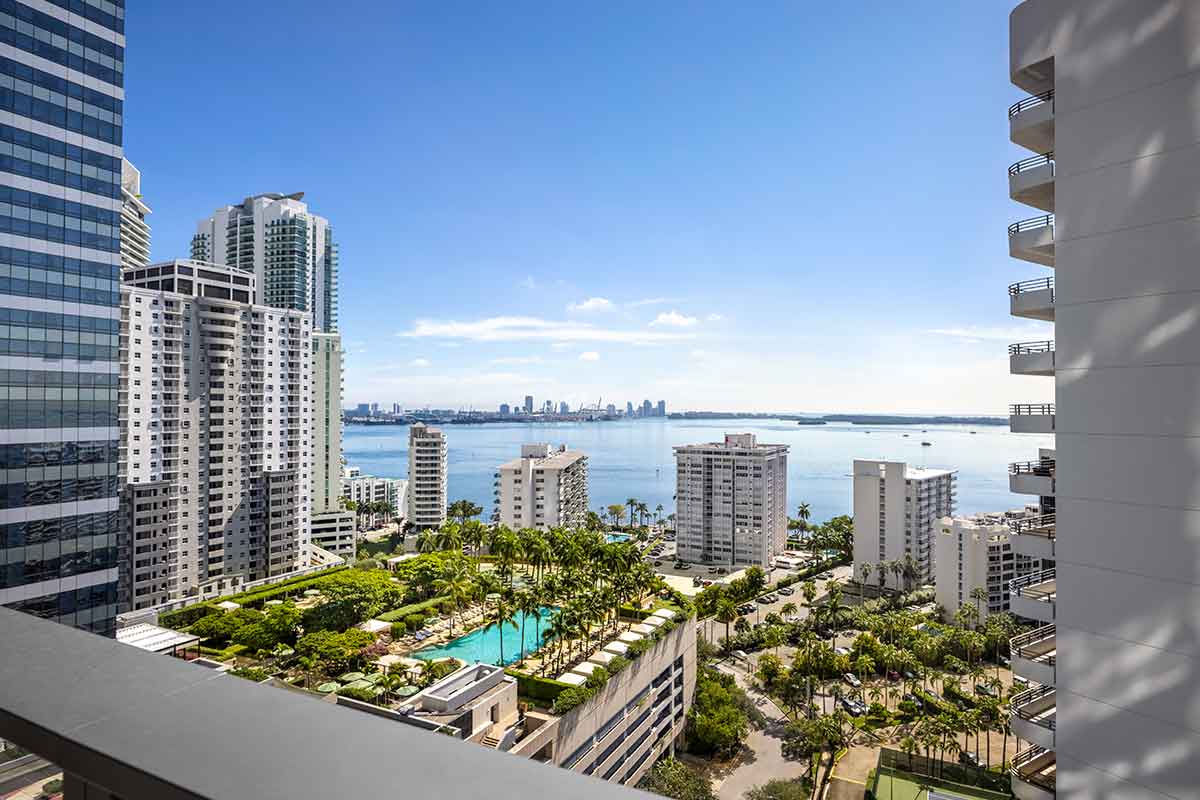
Could Luxury Real Estate See a Surge?
At the top end of the market, momentum is unmistakable. Combined sales of properties priced above $1 million surged more than 21% year-over-year in early 2026. South Florida recorded its highest-ever number of $20 million-plus condo transactions in 2025, alongside near-record activity in the $10 million tier. All-cash purchases remain a defining feature of the luxury segment, meaning market activity continues regardless of interest rate environment.
Major international events consistently create visibility for Miami luxury real estate. Buyers who attend a World Cup match, walk through Bayfront Park, experience Brickell’s restaurants, or watch a sunset from Miami Beach often return as buyers. They tell their networks. They compare what they saw in Miami to other global cities. And they make decisions.
High-net-worth individuals from Latin America, Europe, and beyond are already the primary force behind Miami’s luxury transactions. Colombian buyers hold 15% of the foreign buyer market, Argentine buyers hold 12%, and 93% of Miami’s global buyers say they purchased for security, profitability, and location. The World Cup brings millions more of those buyers through Miami’s front door. For waterfront estates, branded residences, exclusive communities, and off-market opportunities, the next 12 to 18 months represent a genuinely rare window.
Browse our exclusive luxury condo listings and waterfront properties available in Miami’s most sought-after communities.
Miami Investment Opportunities 2026: What Buyers Should Watch Before the Tournament
For buyers and investors paying attention, the window to move ahead of the full wave has not fully closed. But it is narrowing.
Pre-construction remains one of the most effective ways to lock in today’s pricing against a market expected to grow by 4% in single-family home prices by the end of 2026, with single-family home sales projected to rise 5.6% in the same period. Most Miami pre-construction developments require deposits of 40-50% spread across construction phases, with the balance at closing, and timelines typically span three to five years.
Foreign investors are particularly active in this segment. Many are committing capital to pre-construction projects years before delivery, locking in current pricing for buildings that will not be completed until 2028 or 2029. A softer U.S. dollar in 2025 and early 2026 amplified international purchasing power, compressing decision timelines for buyers funded in stronger currencies.
Key Miami developments World Cup areas to watch include:
- Brickell and Downtown: Continued pipeline of luxury towers with urban connectivity and rental demand
- Edgewater: Fast-rising appreciation, bayfront lifestyle, proximity to World Cup activity
- Wynwood and Midtown: Cultural premium and growing lifestyle demand from younger international buyers
- Aventura corridor: Brightline access makes this a growing hub for buyers who want Miami access without city-center pricing
- Bay Harbor Islands: Boutique luxury development with strong demand and limited inventory
Explore our Miami new construction guide and pre-construction opportunities to see what is available now before the market accelerates further.
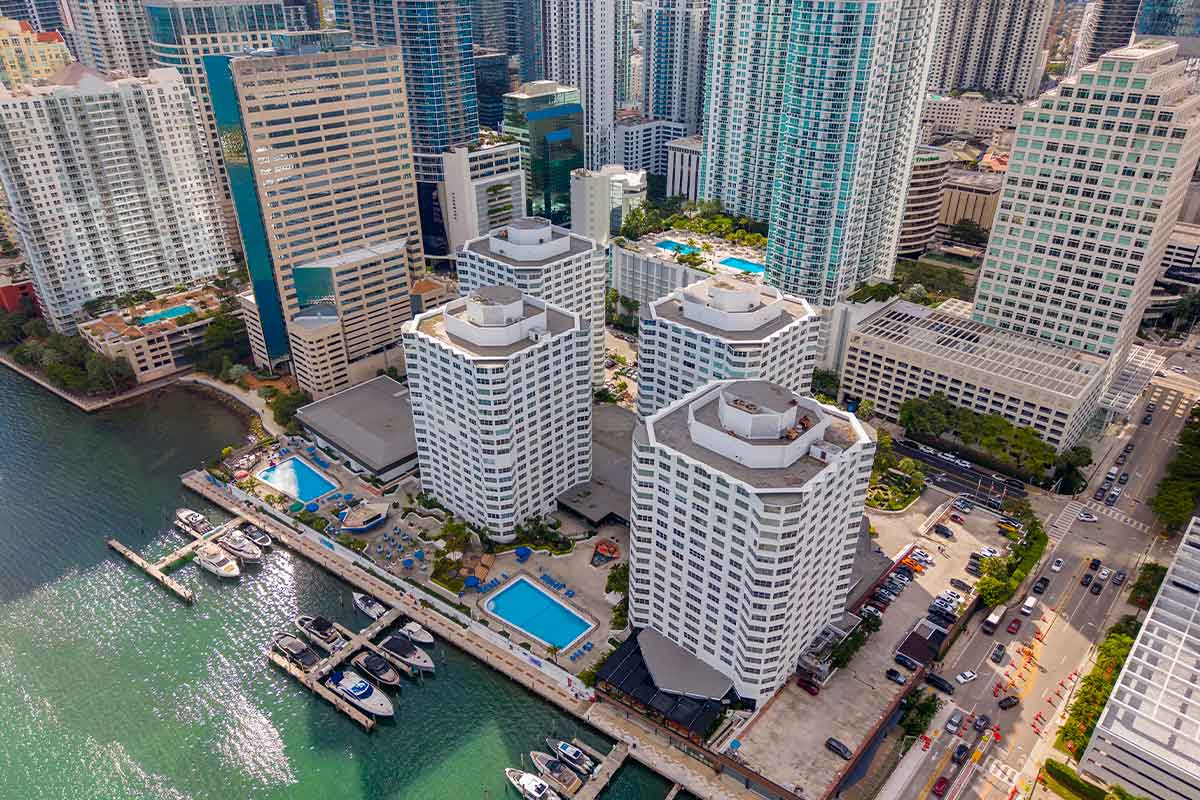
How Ivan & Mike Help Buyers Navigate Miami’s Fast-Changing Market
Understanding what the Miami World Cup 2026 means for real estate requires more than reading headlines. It requires knowing the neighborhoods block by block, understanding developer pricing strategies, and having access to inventory that never reaches public portals.
Ivan & Mike Team are among Miami’s most recognized luxury real estate experts, with deep experience in new construction, pre-construction, and the city’s evolving luxury market. Their knowledge spans the corridors that matter most right now: Brickell, Downtown, Edgewater, Miami Beach, Coconut Grove, Bay Harbor Islands, and the new development pipeline spreading across South Florida.
They work regularly with international buyers from Latin America, Europe, and beyond, navigating cross-border transactions, relocation logistics, and investment strategy with the precision that this level of market demands. When a high-net-worth buyer from Buenos Aires, Bogota, or Barcelona wants to understand Miami’s real estate landscape before committing capital, they need a team that has done this hundreds of times, not just once.
The Miami housing market 2026 is creating a moment. Smart buyers are already preparing. Ivan & Mike provide the expertise, the access, and the local depth to help clients move confidently in a market that is changing faster than any public data source can fully capture.
Thinking about buying before Miami transforms for the World Cup 2026? Connect with Ivan & Mike today for exclusive opportunities before demand accelerates.
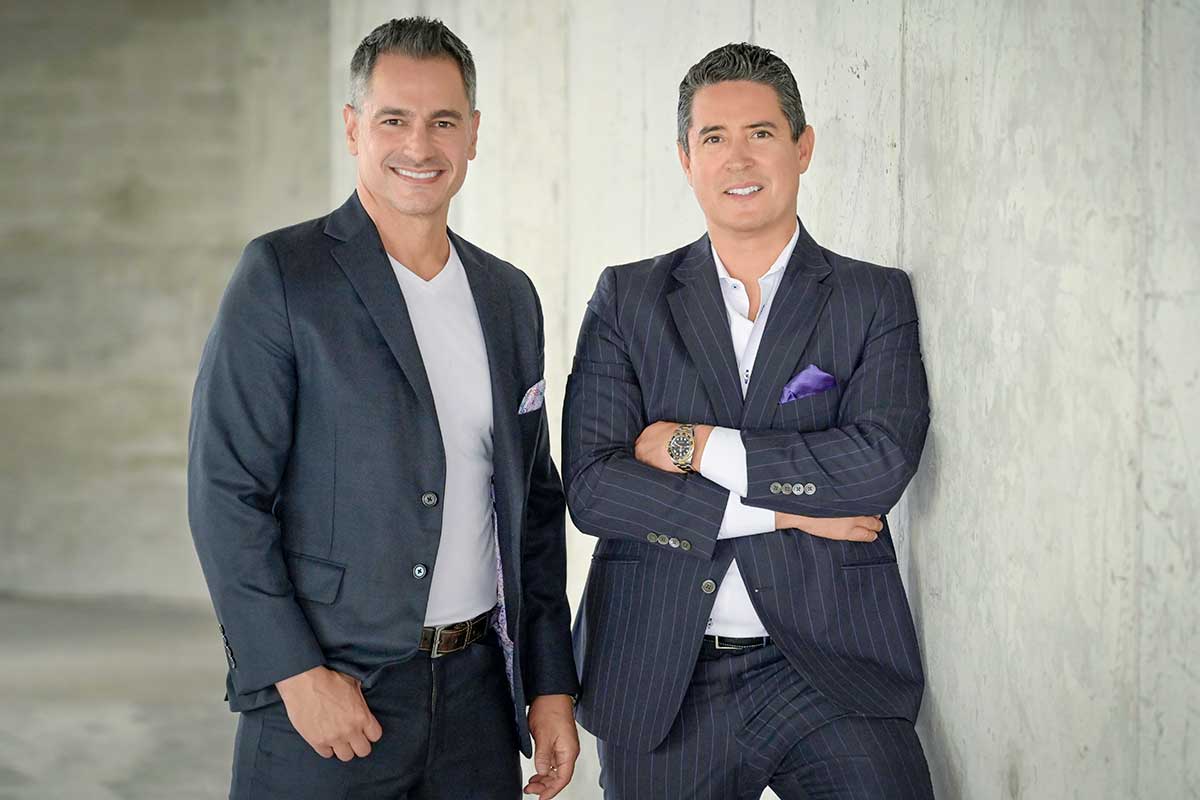
About Ivan & Mike
Ivan Chorney and Michael Martirena are the founders of The Ivan & Mike Team at Compass Florida, one of the most distinguished luxury real estate teams in the United States. With more than $2 billion in closed transactions, they are recognized among the Top 10 Medium Teams in the U.S. by RealTrends and #1 in New Construction Sales in Miami.
Ivan & Mike are celebrated for their deep market intelligence, developer partnerships, and discreet, relationship-driven approach. Their clients include UHNWIs, CEOs, athletes, and global investors seeking strategic acquisitions across South Florida.
Their mission is simple:
“We connect extraordinary people with extraordinary properties, delivering not just a transaction—but a lifestyle.”
Their insights have been featured in The Real Deal, Forbes México, Mansion Global, Inman, and The Wall Street Journal, positioning them as architects of Miami’s luxury lifestyle.
📍 Based in Coconut Grove, Miami, FL 📞 (305) 907-7948 📧 ivan.chorney@compass.com** | **mike.martirena@compass.com 🌐 www.ivanandmike.com
Will Miami become more expensive during the World Cup?
Miami is already experiencing significant price growth, with luxury properties above $1 million surging more than 21% year-over-year. During the tournament, short-term rental prices will rise sharply for the June-to-July window. Long-term, the infrastructure investments, global exposure, and sustained international demand following the Miami World Cup 2026 are expected to support continued price appreciation, especially in neighborhoods close to the urban core and bayfront locations.
How will the FIFA World Cup affect Miami real estate?
Major sporting events historically accelerate property value appreciation in host cities. The FIFA World Cup Miami is already driving pre-construction sales activity, attracting new international buyers, and triggering urban investment that improves walkability, transit, and neighborhood desirability. For Miami specifically, the event reinforces and amplifies trends that were already in motion: record international buyer spending, luxury market strength, and a growing pipeline of new development projects.
What areas may benefit most from the Miami World Cup 2026?
Neighborhoods closest to the World Cup activity corridors stand to benefit most. Downtown Miami and Brickell, anchored by the Bayfront Park Fan Festival and the financial district, are the primary epicenters. Edgewater, Wynwood, and Midtown benefit from proximity and lifestyle appeal. The Aventura corridor gains from its role as a Brightline hub connecting fans regionwide. Established luxury markets like Coconut Grove, Coral Gables, and Bay Harbor Islands attract second-home buyers discovering Miami through global World Cup coverage.
Should buyers invest before 2026?
Based on historical patterns from World Cup and Olympic host cities, early positioning tends to capture stronger returns than waiting until the event itself. International buyers are already compressing timelines and paying cash for pre-construction projects locking in pricing for 2028 and 2029 deliveries. The single-family home price growth projected at 4% for 2026, combined with the luxury market surge already underway, suggests buyers who wait for the tournament to confirm its impact may find prices have moved ahead of them.
Will Miami's infrastructure improvements be permanent?
Yes. The airport’s $14 billion capital improvement program, the Brightline expansion, the Miami-Dade transportation hub network, road upgrades, and the pedestrian enhancements in downtown Miami are all long-term investments. The World Cup is accelerating project timelines for improvements that were already planned, meaning the city’s mobility and urban quality will be permanently better as a result. The historical model for host cities shows that sustained property value appreciation correlates most directly with infrastructure improvements, not tourism spikes alone.