
California’s Proposed Billionaire Tax
California’s proposed billionaire tax, which appears on the November 3, 2026 ballot as Proposition 40, has started conversations about wealth, residency, and where families want to live and own property. For luxury property buyers, those conversations quickly become practical: what to own, where, and when.
It helps to separate uncertainty from evidence. A ballot measure is not enacted law, and a rise in questions is not a confirmed relocation trend. Some households are revisiting plans; many others will stay close to their businesses, families, and communities.
Ivan Chorney, co-founder of the Ivan & Mike Team at Compass, has seen this discussion reach the transaction stage. Recent reporting describes a nearly $20 million Palm Beach purchase he brokered for a California buyer, along with inquiries he has fielded from Californians considering a move. Here, Ivan & Mike look at what that means for South Florida luxury real estate and how the Ivan & Mike Team approaches these decisions as real estate advisors, not tax planners.

How Tax Uncertainty Can Influence Luxury Property Decisions
High-value real estate decisions are made on long horizons, which is why policy debates can shape planning well before any law changes. A buyer may pause an upgrade, ask about other markets, or reconsider where a future home should be.
The measure itself is narrow in scope. As qualified for the ballot, it proposes a one-time 5% tax on the net worth of individuals worth roughly $1 billion or more who were California residents as of January 1, 2026. It is not law unless voters approve it, two competing measures appear on the same ballot, and legal challenges are widely expected if it passes.
Even so, anyone reading about how tax uncertainty can influence luxury home decisions should keep one distinction in mind: reconsidering a move is very different from making one. Relocation involves careers, schools, aging parents, and business operations. Tax policy can be one input, but it is rarely the only one.
Considering South Florida as part of your next chapter? Schedule a confidential real estate consultation with the Ivan & Mike Team to discuss your goals, timing, and the locations worth comparing.
Ivan Chorney’s Palm Beach Example
One example discussed in the source reporting involves Ivan Chorney’s work with a California buyer who agreed to purchase a nearly $20 million mansion in Palm Beach without visiting it in person. Ivan, of the Ivan & Mike Team at Compass, brokered the deal. The buyer was not described as a billionaire at the time. The reporting indicates the buyer expected a substantial financial windfall and was concerned about the possible future direction of tax policy, which made a South Florida home part of broader relocation thinking.
Ivan has also described inquiries from Californians weighing a move. Inquiries show interest. They do not show how many people will relocate, when, or where.
An individual transaction illustrates how one client made a decision. It does not establish a market-wide trend, and it is not evidence of an exodus. It does show why the conversation extends beyond billionaires: people who are not subject to the proposal may still factor future policy direction into long-term plans.
The remote nature of this purchase also deserves context. At Ivan & Mike, buying without an in-person visit is not something we recommend as a default. When a client begins the process from across the country, detailed video walkthroughs, independent inspections, survey and title review, insurance quotes, and professional due diligence become even more important.
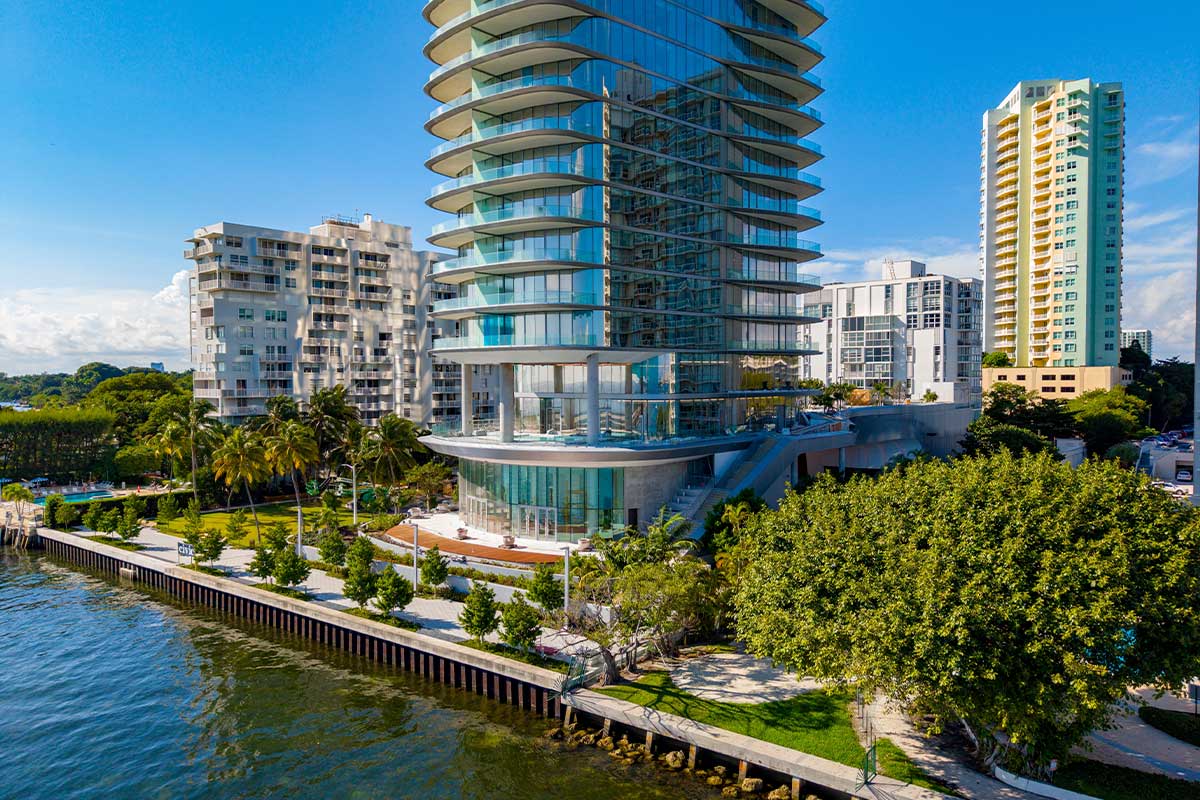
The Ripple Effect Is About More Than New Listings
A tax proposal’s effect on housing is often pictured as owners listing and leaving. In practice, the Ivan & Mike Team sees several different mechanisms at work.
Changes in buyer demand. If some buyers postpone purchases or redirect them to other states, demand in certain price bands can soften without a single additional home coming to market.
Delayed upgrades. An owner who planned to trade up may simply wait. That decision never creates a listing, yet it removes a buyer from the market.
Second-home decisions. Some households buy in Florida while keeping their California home. That adds demand in one market without necessarily reducing it in the other, and it is not the same as a permanent move.
Sales for liquidity or relocation. Others may eventually sell to fund a move or rebalance holdings, which can add inventory.
Because these mechanisms work differently, listing counts on their own are not migration data. For readers following the potential ripple effects on high-end housing markets, the more useful questions concern scale, timing, and local conditions. California’s luxury market remains deep and diverse, and South Florida values are not guaranteed to rise because of interest from out of state.
Why South Florida May Enter the Conversation
Florida does not impose a personal income tax, which naturally draws attention during this debate. Still, Florida residents still pay federal taxes, and owners face property taxes, insurance costs, and other ongoing obligations. State tax treatment is one line in a much longer comparison.
Buyers who look seriously at South Florida tend to weigh personal and business connections, property type, waterfront preferences, whether the home will be a primary residence or a second home, lifestyle, family routines such as schooling, travel requirements, and the full cost of ownership.
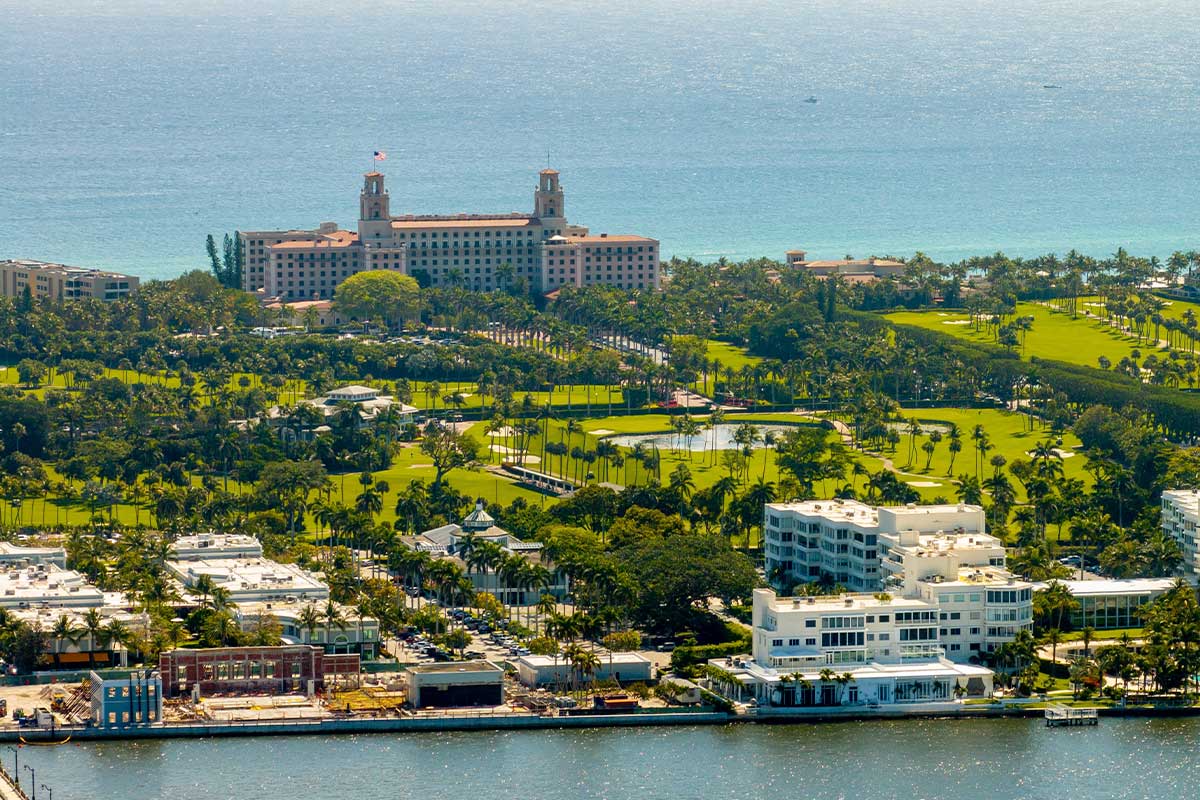
Palm Beach is the island town, known for established estate neighborhoods. West Palm Beach is a separate city across the Intracoastal Waterway, with a downtown, a growing business district, and a range of condominium towers. Miami, farther south in Miami-Dade County, offers a larger metropolitan setting, broad international connectivity, and very different neighborhoods, from Coconut Grove to Miami Beach to Brickell. Our Florida neighborhoods hub and Miami luxury real estate guide explain several of these Miami-Dade areas, and our recent post on Larry Page’s Miami move looks at another relocation conversation in the same policy context.
At Ivan & Mike, we start from a simple premise: no single location suits every buyer.

What Buyers Should Verify Before Relocating
Before committing, buyers relocating to South Florida should verify:
Property condition, including roofs, mechanical systems, seawalls, and docks where applicable. Insurance availability and cost, including windstorm and flood coverage. Flood and storm exposure, such as elevation, flood zone designation, and impact-rated windows and doors. Maintenance needs in a coastal climate. Association rules where applicable, including approval processes, rental restrictions, and reserve funding. Financing terms and appraisal timelines. Timing, since seasonal patterns can affect inventory and closing schedules. Property management if the home will not be occupied year-round. Independent residency and tax advice from qualified professionals.
This article provides general real estate information, not legal, tax, financial, or investment advice. Purchasing a Florida property does not, by itself, establish tax residency or eliminate obligations in another jurisdiction. Buyers should consult qualified professionals about their individual circumstances.
Want a clearer picture before you decide? Request a tailored property and location comparison based on your lifestyle, timing, budget, and ownership goals.
How Ivan & Mike Help Clients Evaluate the Options
The Ivan & Mike Team, led by Ivan Chorney and Michael Martirena, is a Miami-based luxury real estate team at Compass with an office in Coconut Grove. The team’s Compass profiles describe service across Miami-Dade, Broward, and Palm Beach counties.
The Ivan & Mike process starts with clarifying objectives: whether the goal is a primary residence, a seasonal home, or a longer evaluation period. From there, we compare relevant locations side by side, review verified property information, and coordinate showings where available, including virtual previews for clients who begin remotely. We help identify the due-diligence questions each property raises, then support negotiation and transaction coordination through closing.
We work alongside independent legal, tax, financial, and insurance professionals chosen by our clients. We do not provide tax planning or asset restructuring. Our role is the real estate side of the decision.
About Ivan & Mike
Ivan Chorney and Michael Martirena are the founders of The Ivan & Mike Team at Compass Florida, one of the most distinguished luxury real estate teams in the United States. With more than $2 billion in closed transactions, they are recognized among the Top 10 Medium Teams in the U.S. by RealTrends and #1 in New Construction Sales in Miami.
Ivan & Mike are celebrated for their deep market intelligence, developer partnerships, and discreet, relationship-driven approach. Their clients include UHNWIs, CEOs, athletes, and global investors seeking strategic acquisitions across South Florida.
Their mission is simple:
“We connect extraordinary people with extraordinary properties, delivering not just a transaction—but a lifestyle.”
Their insights have been featured in The Real Deal, Forbes México, Mansion Global, Inman, and The Wall Street Journal, positioning them as architects of Miami’s luxury lifestyle.
📍 Based in Coconut Grove, Miami, FL 📞 (305) 907-7948 📧 ivan.chorney@compass.com** | **mike.martirena@compass.com 🌐 www.ivanandmike.com
How could California's proposed billionaire tax affect luxury real estate?
Uncertainty can influence timing, such as delayed upgrades, paused purchases, or second-home decisions in other states. The size of any effect depends on scale, timing, and local market conditions, and individual transactions do not establish a broad trend.
Does the proposal mean all wealthy Californians are relocating?
No. The reporting does not establish that conclusion, and many residents are likely to stay because of business, family, and community ties. Interest and inquiries are not the same as completed moves.
What experience does Ivan Chorney bring to this discussion?
Ivan Chorney, co-founder of the Ivan & Mike Team at Compass, brokered the reported agreement by a California buyer to purchase a nearly $20 million Palm Beach mansion. He has also discussed inquiries from Californians considering a move, which gives him a direct view of how these conversations unfold.
Does buying a Florida property establish tax residency?
A property purchase alone does not determine a person’s full legal or tax position. Residency depends on individual facts and the rules of each jurisdiction involved. Buyers should obtain an independent assessment from qualified legal and tax professionals.
What should buyers compare before choosing a South Florida home?
The Ivan & Mike Team encourages buyers to compare location, property fit, and the full cost of ownership, including insurance, maintenance, and property taxes. Timing and thorough due diligence on condition, flood exposure, and association rules matter just as much.
Ready to Navigate Florida’s Luxury Real Estate Market?
Whether you are looking to acquire an iconic residence, explore high-yield pre-construction opportunities, or position your luxury property for a seamless sale, our dedicated team is here to guide you. Fill out the form below to connect with an advisor.